



Pediatric Cardiopulmonary Resuscitation: A Comprehensive Guide
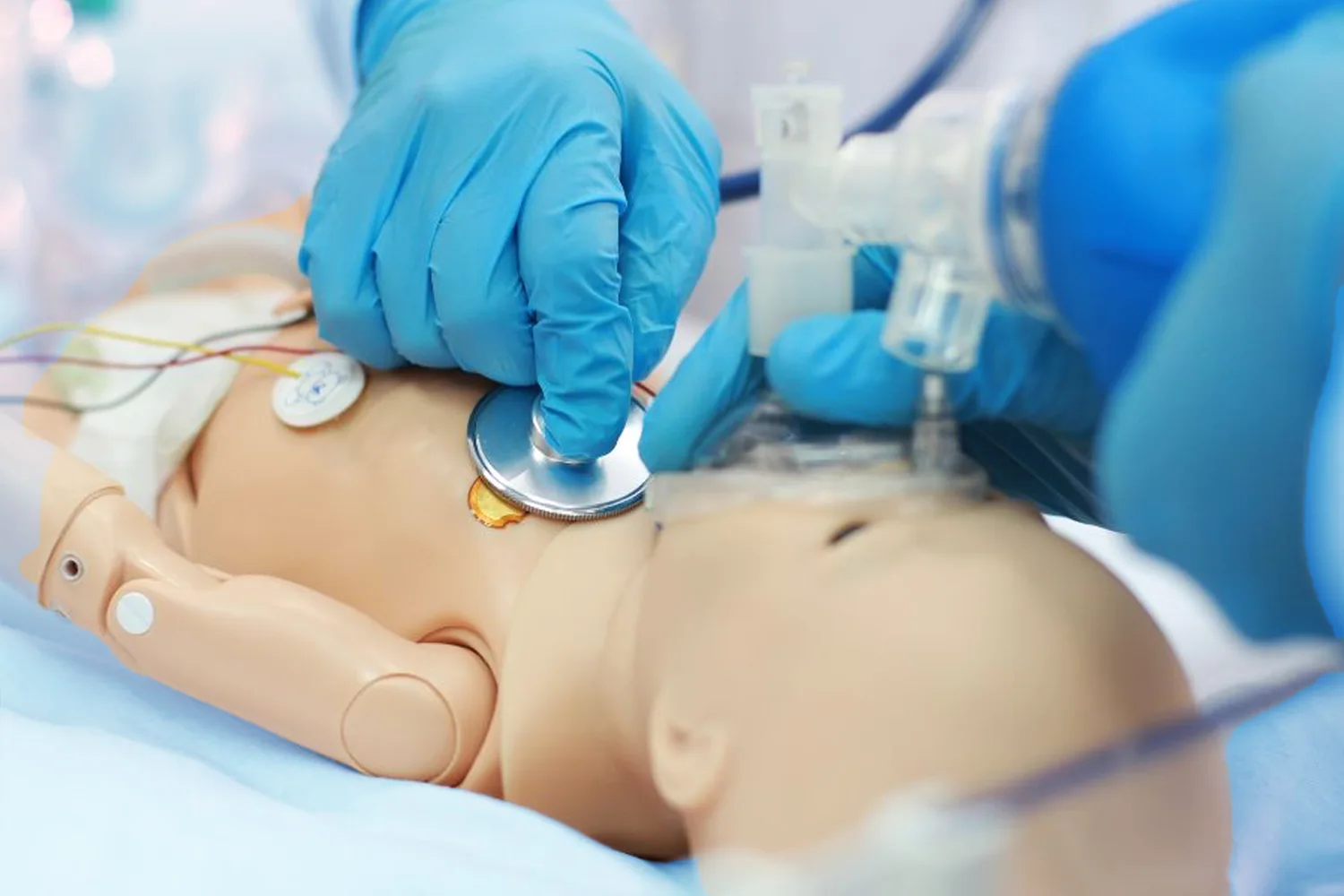
Pediatric Advanced Life Support (PALS) is considered a new chance at life and another opportunity to live, as it can save a child’s life, God willing.
Pediatric Cardiopulmonary Resuscitation (CPR): A Comprehensive Introduction to Understanding First Aid Basics
Pediatric CPR is a procedure that every healthcare worker is advised to learn in order to provide assistance to those who need it and contribute to saving the lives of many children. Below are the most important first aid basics that should remain in mind at the time of need:
- To begin, you must call emergency services if the child shows no response or is not breathing normally, then start giving first aid and CPR if needed.
- First, ensure that the area around you is safe and free from potential hazards such as electrical current, traffic, fire, or any other threats to the child’s safety.
- Start checking the child’s responsiveness by calling their name if you know it, or asking if they are okay.
- If the child responds by moving or speaking, leave them as they are as long as they are not in a dangerous location. Check for any injuries or life-threatening bleeding. If needed, ask someone nearby for help and assess the situation regularly.
- If the child shows no response, tap their shoulder and shout to get their attention, either by name if known or by asking if they are okay. If there is still no response, tap the sole of their foot and shout again. Make sure that the assessment does not exceed ten seconds, while continuously checking for any life-threatening issues such as lack of breathing or bleeding.
- If the child still does not respond, gently turn them onto their back.
If the child is under one year old or you are performing neonatal CPR:
- Ensure that the child’s head is in a neutral position with the neck and head aligned.
- Lift the child’s chin using your fingertips, being careful not to press on the soft tissues under the chin, as this may obstruct the airway.
If the child is older than one year:
- Open the airway by tilting the head back and lifting the chin upward. Place one hand on the forehead and gently tilt the head backward while lifting the chin with the fingertips of your other hand. Avoid pressing on the soft tissues under the chin to prevent airway obstruction.
- If you suspect a neck injury, tilt the head gently only as much as needed to open the airway, as opening the airway takes priority over potential neck injury.
- Check the child’s breathing while keeping the airway open by placing your face close to theirs, observing the chest for movement, and trying to feel or hear breathing sounds.
If the child is breathing, place them on their side, ensure that breathing continues, call for help, and stay by their side unless absolutely necessary.
If the child is not breathing or is having difficulty breathing:
- Remove any airway obstructions.
- Perform rescue breathing.
- While giving rescue breaths, watch for any response such as coughing or sputum, as these indicate signs of life.
To perform accurate and proper first aid that can save a child’s life, you need practical training from specialists and experts in first aid and resuscitation techniques. This ensures you are always prepared in emergencies to fulfill your role as a healthcare worker and save the life of your child or someone else’s child.
Contact Future Vision Company to enroll in the pediatric CPR course at: 966920035022.
The Importance of Learning Pediatric CPR to Save Lives
Performing CPR helps the circulatory and respiratory systems deliver oxygen to the rest of the body when the heart and lungs stop working, increasing a child’s chances of survival after an accident.
Learning pediatric CPR is an essential skill that can make the difference between life and death in a matter of seconds. It is not limited to doctors or healthcare professionals; anyone can learn this simple skill to save a child experiencing sudden cardiac arrest or breathing failure. Every minute without intervention reduces survival chances.
No matter how much we describe its importance, we can never fully do justice to pediatric CPR. It gives a child another chance at life—a chance to continue living. Children always need rapid response, so mastering CPR steps gives the community greater ability to respond quickly and save lives before medical assistance arrives.
Step-by-Step Guide to Performing Pediatric CPR
Before starting CPR, you must:
- Check the scene.
- Make an initial assessment of the situation.
- Use personal protective equipment (PPE).
If the child does not respond to those around them, check their responsiveness by calling their name or asking how they feel. If there is no response, tap their shoulder and shout again, ensuring there is no life-threatening bleeding and that they are breathing.
If the child is an infant and unresponsive, tap the bottom of their foot and shout again, ensuring there is no dangerous bleeding and that breathing is possible.
If the child does not respond and is not breathing or is only gasping, begin CPR:
Place the infant on their back on a firm, flat surface.
If it is a child, kneel beside them; if an infant, stand or kneel beside them with your hips slightly angled.
Perform 30 chest compressions:
For children: Place the heel of one hand on the center of the chest, with the other hand on top, fingers interlocked and away from the chest. Position your shoulders above your hands, keep your elbows straight, and press down hard and fast, allowing full chest recoil after each compression.
For small children: Use one hand by placing the heel of your hand in the center of the chest and pressing down hard and fast.
For infants: Place both thumbs side by side in the center of the chest, encircle the torso with your fingers to support the back, and press down hard and fast using your thumbs. Allow full recoil after each compression.
Give two rescue breaths:
Open the child’s airway to a neutral position with a head tilt and chin lift. Blow gently into the child’s mouth for one second, ensuring the chest rises. Let the air escape before giving the second breath.
If the chest does not rise on the first breath, adjust the head slightly and ensure a proper seal before the second breath.
If the chest still does not rise, there may be an airway obstruction.
Continue with cycles of 30 compressions and 2 breaths until:
- You see a clear sign of life.
- An AED is ready to use.
- A trained person arrives to take over.
- You are alone and too exhausted to continue.
When Does a Child Need CPR? Signs and Symptoms
You must perform CPR on a child if:
- There is no breathing.
- There is loss of consciousness.
- There is no pulse.
Common Mistakes When Performing Pediatric CPR and How to Avoid Them
In emergencies, CPR should be started immediately. However, without proper training, mistakes may happen and worsen the child’s condition. Some common mistakes include:
- Not pressing hard enough: Adequate pressure improves blood flow and oxygen delivery to the brain.
- Not pressing fast enough: The correct rate is 100–120 compressions per minute.
- Stopping CPR too early: Continue until signs of life appear or help arrives.
- Not checking the airway: Ensure no objects are obstructing the airway and that it is clear for air to pass.
- Incorrect hand positioning: Proper hand placement is essential for effective CPR.
- Delaying CPR: Delay reduces oxygen delivery to the brain and vital organs, lowering survival chances.
- Not allowing chest recoil: Poor recoil reduces oxygen delivery and increases the risk of rib injuries.
- Incorrectly reassessing the situation: Any sign from the child may require you to adjust your technique or slow down.
To avoid mistakes during pediatric CPR, you can enroll in certified CPR courses that qualify you to perform CPR at any time and under any circumstances. Contact us for a reliable training program at: 966920035022.
The Importance of Hands-On Training in Pediatric CPR
Scientific knowledge alone is not enough for proper CPR. Practical training and simulated CPR practice play a major role in preparing healthcare workers to perform pediatric CPR easily and increase survival rates among children who suffer cardiac arrest or breathing difficulties.
Practical training gives you the skill to perform CPR correctly, avoid possible mistakes, and remain composed during emergencies, greatly reducing errors.
You can now contact Future Vision Company to receive pediatric CPR training by professional experts.
Pediatric CPR Courses Provided by Future Vision for Health Training
Future Vision offers accredited medical training courses, including pediatric CPR certified by the Saudi Commission for Health Specialties (SCFHS). Training is delivered by expert instructors of global standards, ensuring maximum benefit and accurate skill development.
Contact us now at 966920035022.
Pediatric CPR is a second chance at life that can save a child, God willing. Contact us now and get accredited medical courses that qualify you to save a child’s life.
Related Items
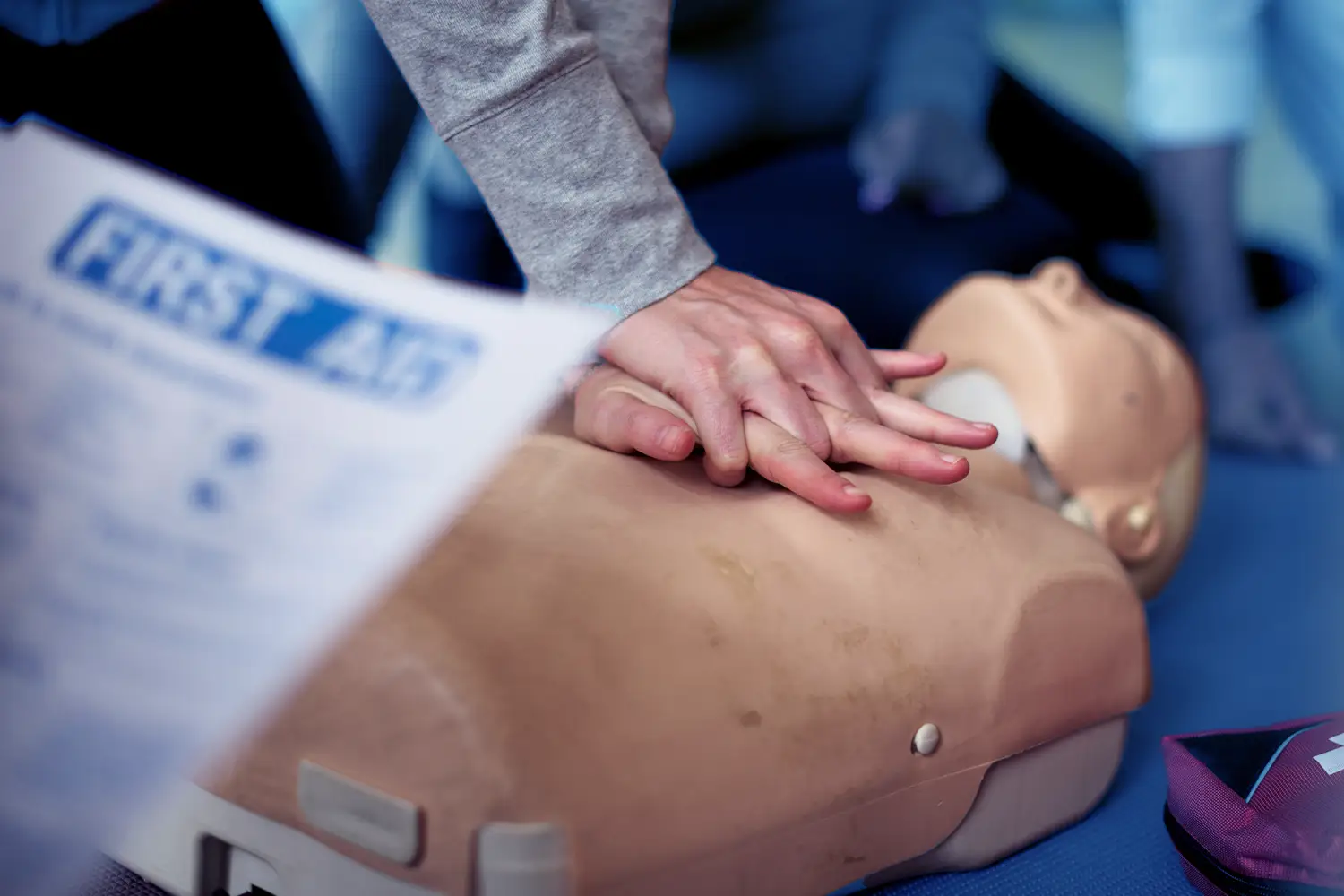
CPR Steps: Your Guide to Saving Lives
Translation: Learn the steps of CPR in a simple way that helps you save the life of someone experiencing sudden cardiac arrest or breathing failure. Discover how to become the first responder in a critical moment.
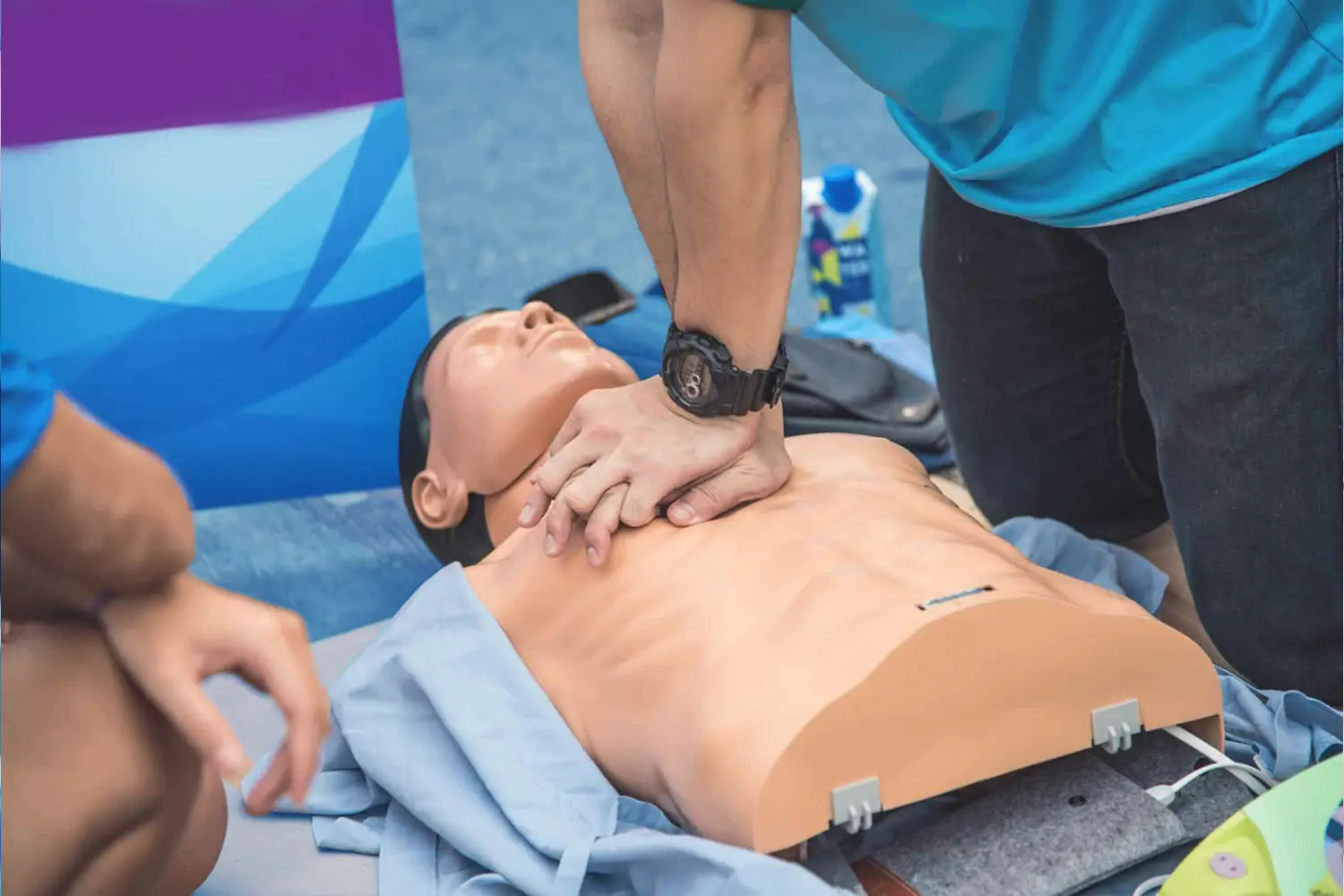
Certified Basic Life Support (BLS) Course for Saving Lives
Join the certified Basic Life Support (BLS) course and learn how to handle emergency situations with confidence and professionalism. Receive hands-on training under the supervision of certified instructors and earn a certificate that qualifies you to save lives in critical situations.
Non-Carious Cervical Lesions Course: Diagnosis and Prevention of Tooth Lesions
Learn about the Non-Carious Cervical Lesions Course and the causes of their occurrence, such as erosion, attrition, and chemical wear, with an explanation of modern diagnostic methods and treatment options to maintain the health of teeth and gums. Discover the essential information that dentists and dental students need.

Artificial Intelligence in the Medical Field: A Technological Revolution
Discover how artificial intelligence is creating a massive transformation in medicine! From early diagnosis to personalized treatment, explore the latest innovations that make healthcare faster, more accurate, and more effective.