



Learn Professional Health Sterilization: A Comprehensive and Practical Course
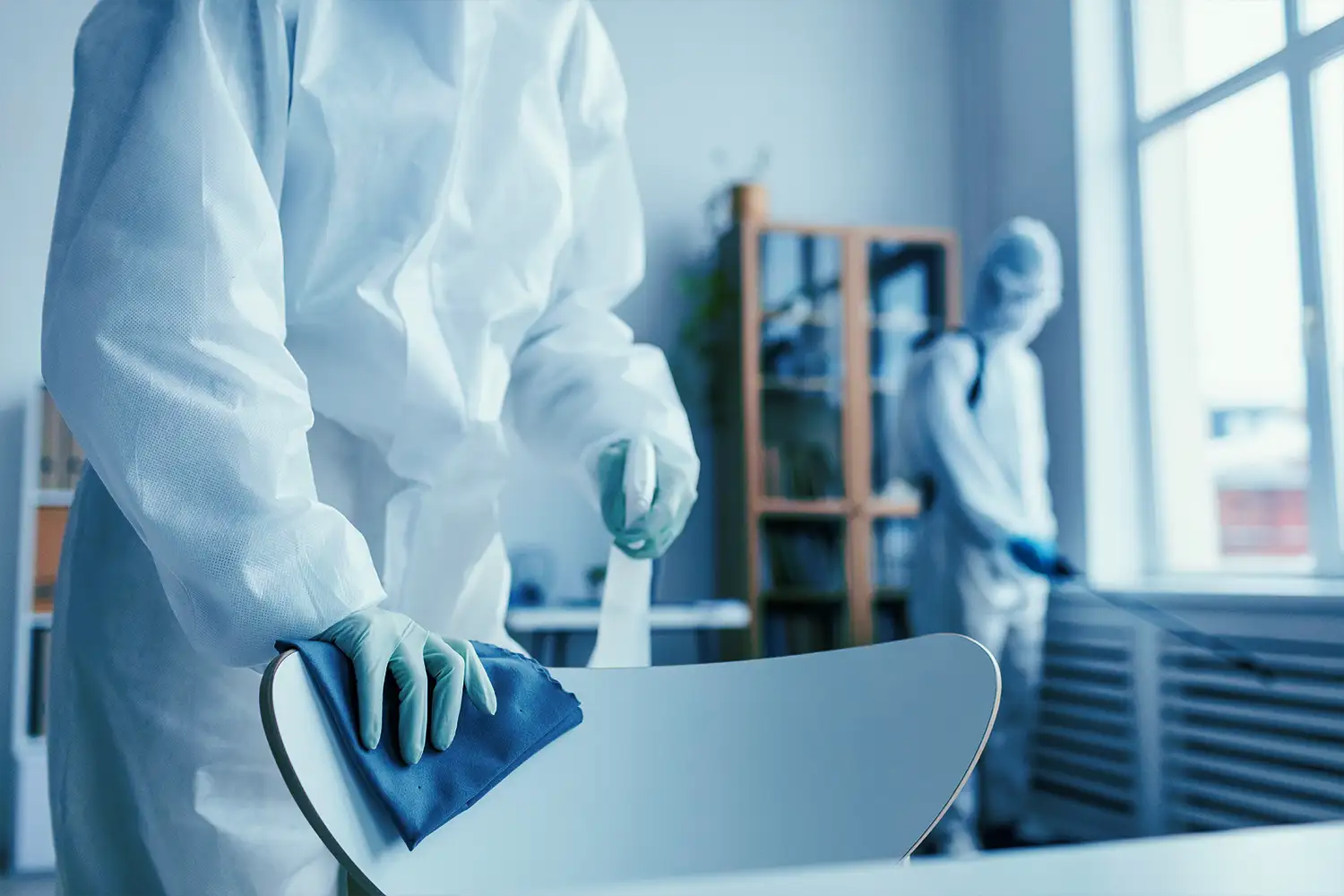
Training healthcare practitioners on sterilization principles has become a necessity for all healthcare facilities aiming to enhance safety and quality. In recognition of the critical importance of hospital sterilization, Future Vision Company offers specialized programs that help trainees acquire new skills to increase their efficiency in various work environments, supporting the efforts of facilities to maintain a safe and healthy environment for everyone.
Sterilization: The Basic Concept and Its Importance in Infection Prevention
Sterilization is a procedure aimed at completely eliminating or destroying all microorganisms. It is implemented within healthcare facilities using various thermal or chemical methods. The main sterilization methods in these facilities include steam under pressure, dry heat, ethylene oxide gas, as well as hydrogen peroxide plasma and liquid chemical agents.
Sterilization can be considered a process that achieves complete microbial eradication. However, some healthcare workers and technical staff tend to use the term "sterilization" when referring to disinfection or partial sterilization. When chemicals are used to destroy all forms of microorganisms, they are then referred to as chemical sterilants. These agents can also be applied at lower concentrations or for shorter durations as part of high-level disinfection procedures.
The Importance of Sterilization in Infection Prevention
Sterilization plays a fundamental role in preventing various types of infections. Its key benefits include:
Increasing Health Awareness:
Sterilization helps raise health awareness and promotes knowledge of proper hygiene behaviors. When individuals understand the importance of sterilization and how to perform it, their habits transform into healthier practices that help prevent infections.
Reducing the Spread of Infection:
Eliminating microorganisms, germs, and viruses present on tools and surfaces within hospitals limits the spread of infection among people. Proper sterilization procedures completely remove the primary causes of infection transmission.
Decreasing Hospital-Acquired Infections:
One of the risks in the medical field is the possibility of patients acquiring infections while receiving healthcare services. Comprehensive sterilization of surfaces and instruments at regular intervals can minimize infection outbreaks, thereby ensuring patient safety.
Protection from Epidemics:
Sterilization plays a critical role in preventing various diseases and epidemics and stopping the spread of infectious diseases among people. Regular, facility-wide sterilization of hospitals reduces disease transmission.
Protecting Healthcare Workers:
Healthcare workers are among the most exposed to health risks, particularly infections and epidemics. Proper hand sterilization, as well as sterilization of tools and different hospital areas, is essential to protect all staff.
Types of Sterilization Methods in Hospitals
Hospitals rely on specific sterilization methods, including:
Thermal Sterilization:
Thermal sterilization is divided into two types: steam sterilization and dry heat sterilization. The first uses high-temperature steam under pressure to eliminate germs, while the second uses dry heat to sterilize metal instruments capable of withstanding high temperatures.
Chemical Sterilization:
This method relies on the use of certain chemicals to destroy bacteria, germs, and all invisible contaminants. Careful monitoring is required to ensure their effectiveness.
Ethylene Oxide (EO) Sterilization:
Ethylene oxide gas is used in this sterilization method to sterilize various equipment and heat-sensitive instruments. It is highly effective against many germs and bacteria.
Ultraviolet (UV) Sterilization:
UV sterilization is used in hospitals for its ability to eliminate germs throughout hospital rooms, corridors, and intensive care units, without relying on traditional chemical agents.
Differences Between Sterilization Levels
There is a clear distinction between different sterilization levels:
High-Level Sterilization:
This level uses strong disinfectants capable of eliminating most microorganisms and deactivating viruses on medical instruments. Due to their potency, these disinfectants are used on semi-critical instruments that contact mucous membranes or damaged skin, such as cystoscopes, anesthesia equipment, and certain endoscopes.
Low-Level Sterilization:
Low-level disinfection uses agents that remove common bacteria and most viruses but cannot fully eliminate bacterial spores. It is applied to reusable patient care instruments that only contact intact skin, such as pulse oximeters, blood pressure monitors, and stethoscopes.
Differences Between Standard and High-Level Sterilization in Hospitals
Key differences between high-level and standard sterilization include:
Nature of Microorganisms Targeted:
Global health authorities note that household or routine sterilization aims only to reduce microbial presence without complete elimination. In hospitals, sterilization is essential, ensuring the total destruction of all microorganisms, including viruses, bacteria, fungi, and highly resistant bacterial spores, known as complete sterilization in modern medical standards.
Required Safety Level:
Medical sterilization adheres to a specific scientific standard called the Sterility Assurance Level (SAL), which ensures a minimal probability of any microbial survival on an instrument—no more than one in a million. In contrast, household cleaning or sterilization does not require such stringent safety standards.
Types of Instruments Served:
Standard sterilization applies only to items that do not enter the body or contact sensitive tissues, such as surfaces, office equipment, and non-medical tools. Medical sterilization is reserved for instruments used inside sterile tissues or directly within body environments, including surgical tools, needles, scalpels, endoscopic devices, and tissue suturing instruments.
Methods Used:
Standard sterilization relies on simple means, such as household solutions, disinfectant wipes, and low-concentration alcohol, which cannot eliminate highly resistant bacterial spores or fully remove viruses. Hospital sterilization relies on proven methods, including steam under pressure (highly effective for surgical instruments), gas sterilization (ethylene oxide) for heat-sensitive equipment, and hydrogen peroxide plasma for moisture- or heat-sensitive tools.
Inspection and Monitoring:
Sterilization in medical facilities undergoes rigorous testing to ensure effectiveness, including monitoring mechanical factors such as exposure time, temperature, and pressure, and using chemical indicators to confirm proper completion. Biological tests, using highly resistant spores, are also conducted to verify sterilization efficacy. Household or non-medical sterilization does not employ such tests or technical monitoring.
Future Vision’s Sterilization Course and Its Benefits
Future Vision for Health Training offers a specialized training program in sterilization and infection prevention, designed to equip healthcare workers with the knowledge and procedures needed to prevent microbial spread in medical facilities.
The program begins with an overview of infection control principles, followed by instruction on sterilization basics, disinfection methods, and medical instrument management according to global standards. Practical training is also provided on advanced hand hygiene techniques and proper use of personal protective equipment.
Participants learn strategies to reduce microbial resistance and enhance the quality of healthcare while safeguarding patients and staff through practical applications. Key benefits of this course include:
- Receiving a participation certificate that supports the trainee’s professional development.
- Improving work quality within healthcare facilities and reducing infection transmission risks.
- Acquiring skills to perform effective hand hygiene and use protective equipment efficiently.
- Access to online learning anytime, anywhere via the training platform.
- Developing professional sterilization and disinfection skills in line with industry standards.
- Accredited Continuing Medical Education (CME) hours.
Related Items
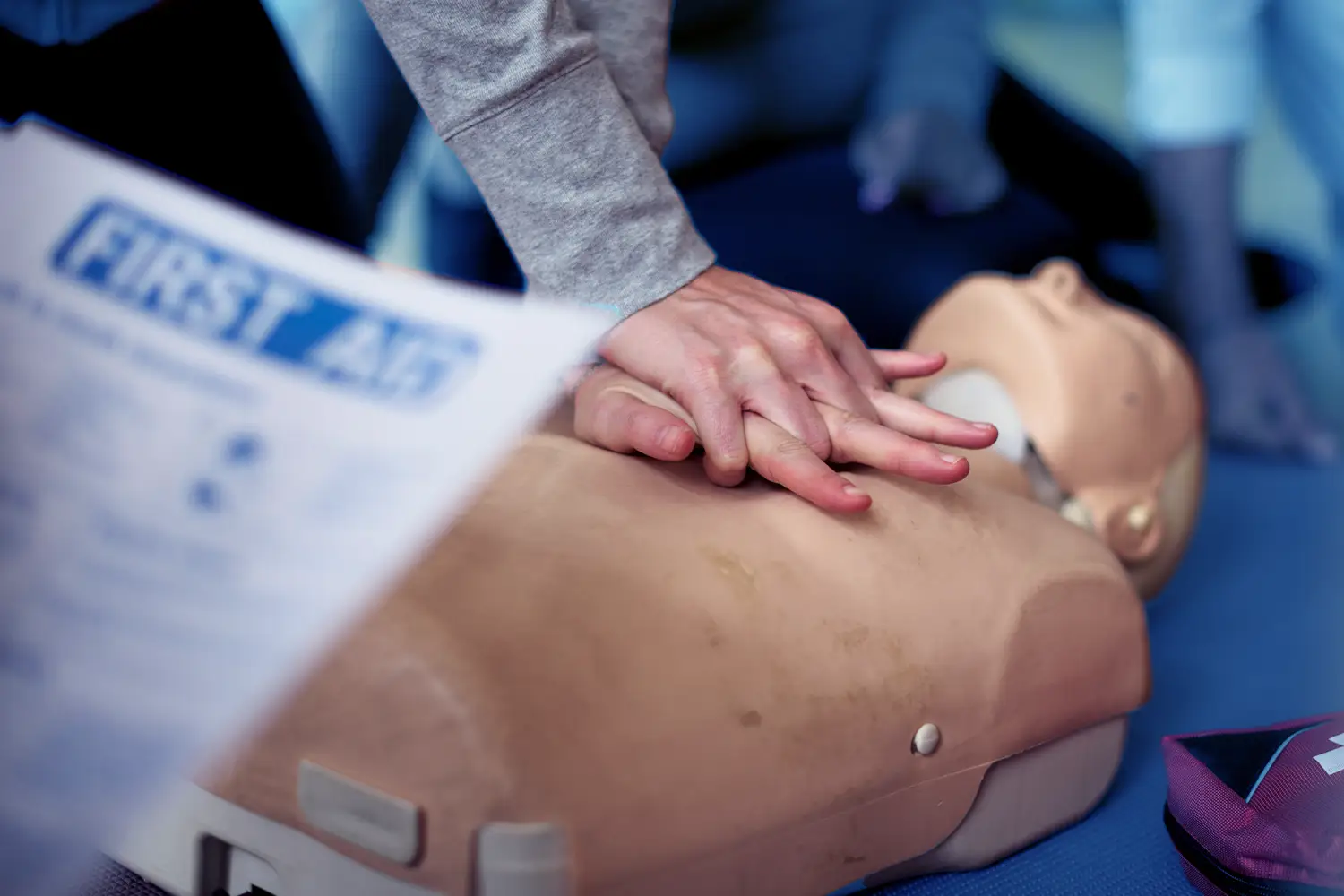
CPR Steps: Your Guide to Saving Lives
Translation: Learn the steps of CPR in a simple way that helps you save the life of someone experiencing sudden cardiac arrest or breathing failure. Discover how to become the first responder in a critical moment.
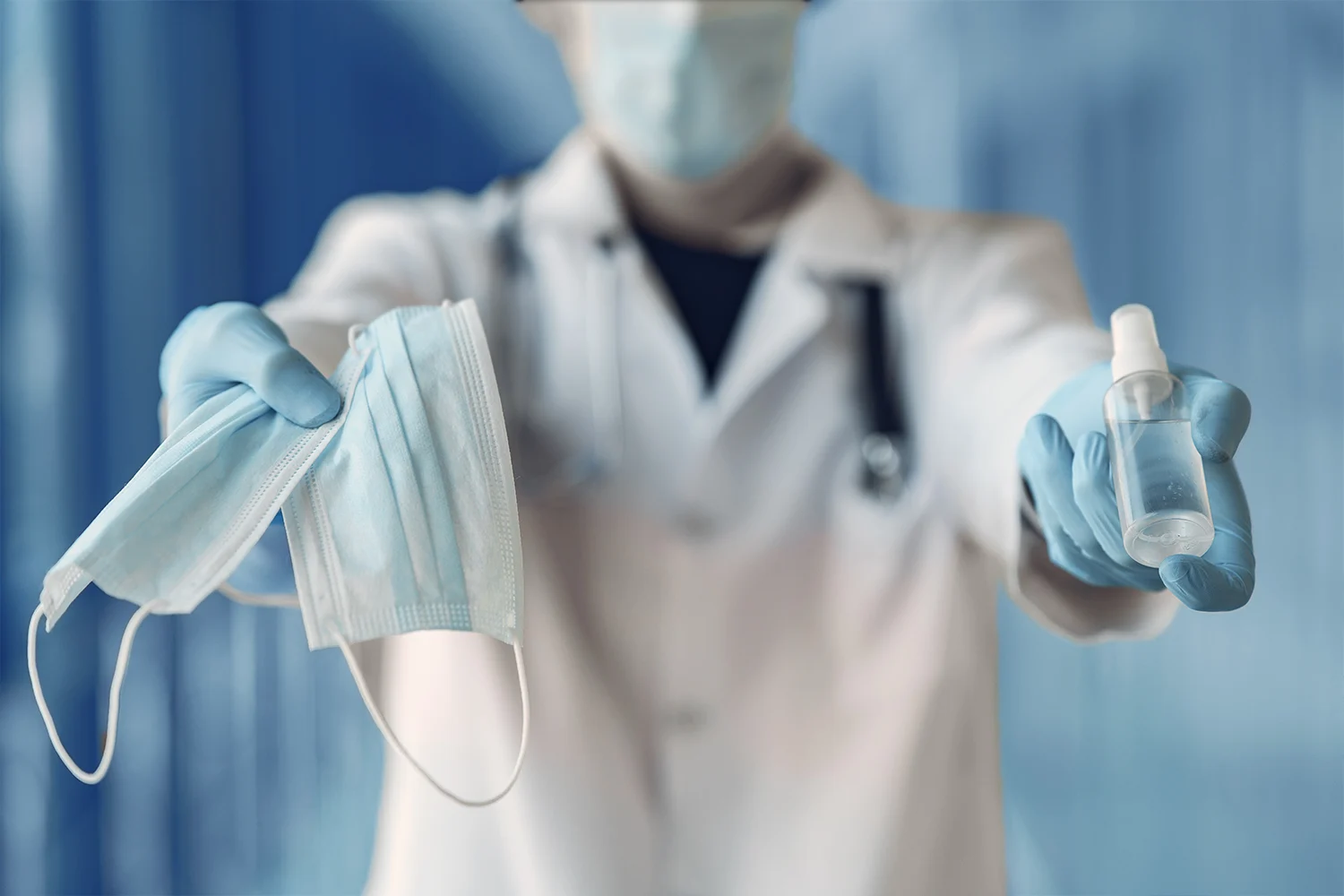
Infection Prevention in Hospitals: Steps and Procedures
Learn about the most important infection prevention measures in hospitals, and the role of sterilization, hygiene, and medical training in protecting patients and healthcare workers. Discover how healthcare institutions ensure a safe, infection-free environment through professional practices and modern methods.
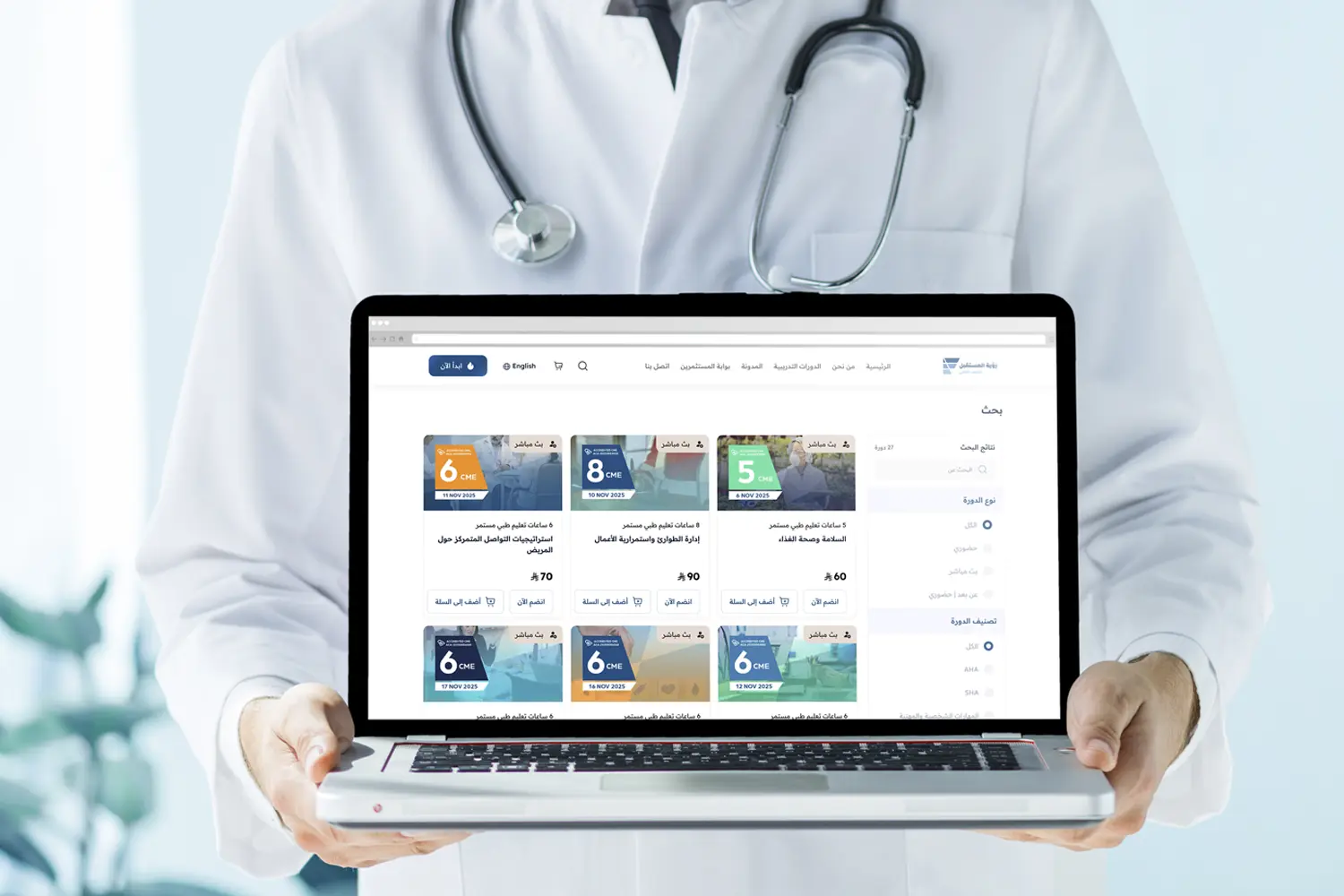
Certified Medical Courses with Trusted Certificates
Enroll in the best accredited medical courses and elevate your healthcare expertise with trusted, recognized certifications. Enhance your skills, stay aligned with medical advancements, and expand your career opportunities today!
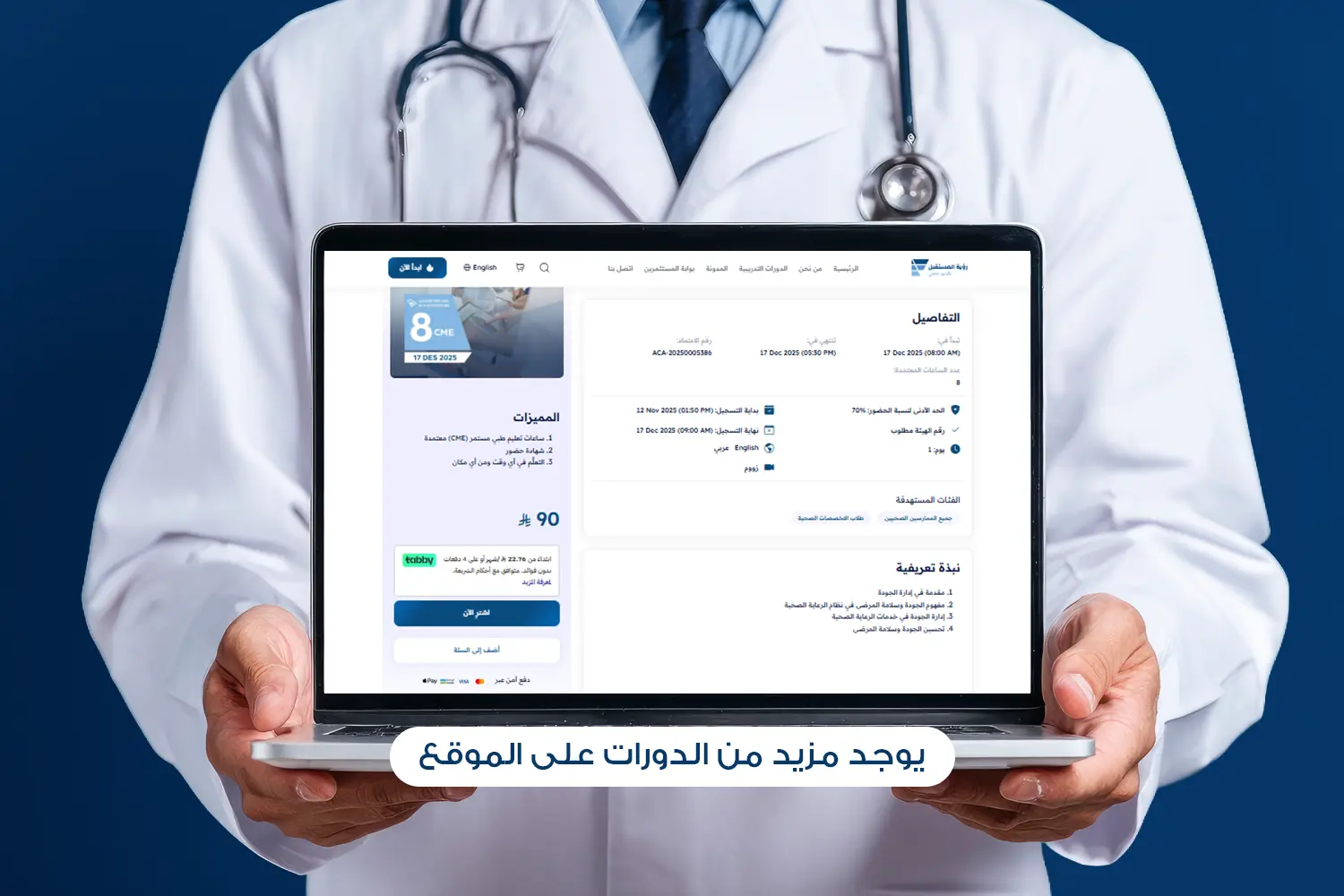
Online courses accredited by the Saudi Commission for Health Specialties
Get online courses accredited by the Saudi Commission for Health Specialties with official certificates, learn remotely, and develop your healthcare skills with ease and full flexibility.