



The Power of Continuous Learning in Healthcare

The Power of Continuous Learning
Continuous learning is the heartbeat of progress in healthcare. As medical knowledge and technologies evolve rapidly, healthcare professionals must stay updated to provide the best patient care and improve outcomes.
Why Continuous Learning Matters
Healthcare is a field that never stands still. New treatments, protocols, and research findings emerge regularly. Continuous learning allows professionals to stay current, enhancing their skills and adapting to changes in the industry. It also contributes to personal growth and career advancement.
How to Embrace Continuous Learning?
Embracing continuous learning can take many forms: attending workshops, enrolling in courses, participating in webinars, reading the latest research, or engaging in professional discussions. Tools like Continuing Medical Education (CME) courses help ensure healthcare providers meet industry standards and certifications.
Benefits Beyond the Workplace
Beyond professional gains, continuous learning builds confidence, improves decision-making, and fosters innovation in healthcare. Ultimately, it leads to improved patient outcomes and a healthier society.
Final Thoughts
In a world of constant change, healthcare professionals who commit to continuous learning not only elevate their own expertise but also contribute significantly to the advancement of healthcare as a whole. The journey of learning never ends—and its power is truly transformative.
Related Items

Accredited Medical Courses to Develop Healthcare Skills
Discover the most popular and essential accredited medical courses every healthcare practitioner needs to enhance their professional competence. Explore the top training programs in first aid, nursing, infection control, and healthcare facility management. Your comprehensive guide to choosing the best medical course that aligns with your career path.
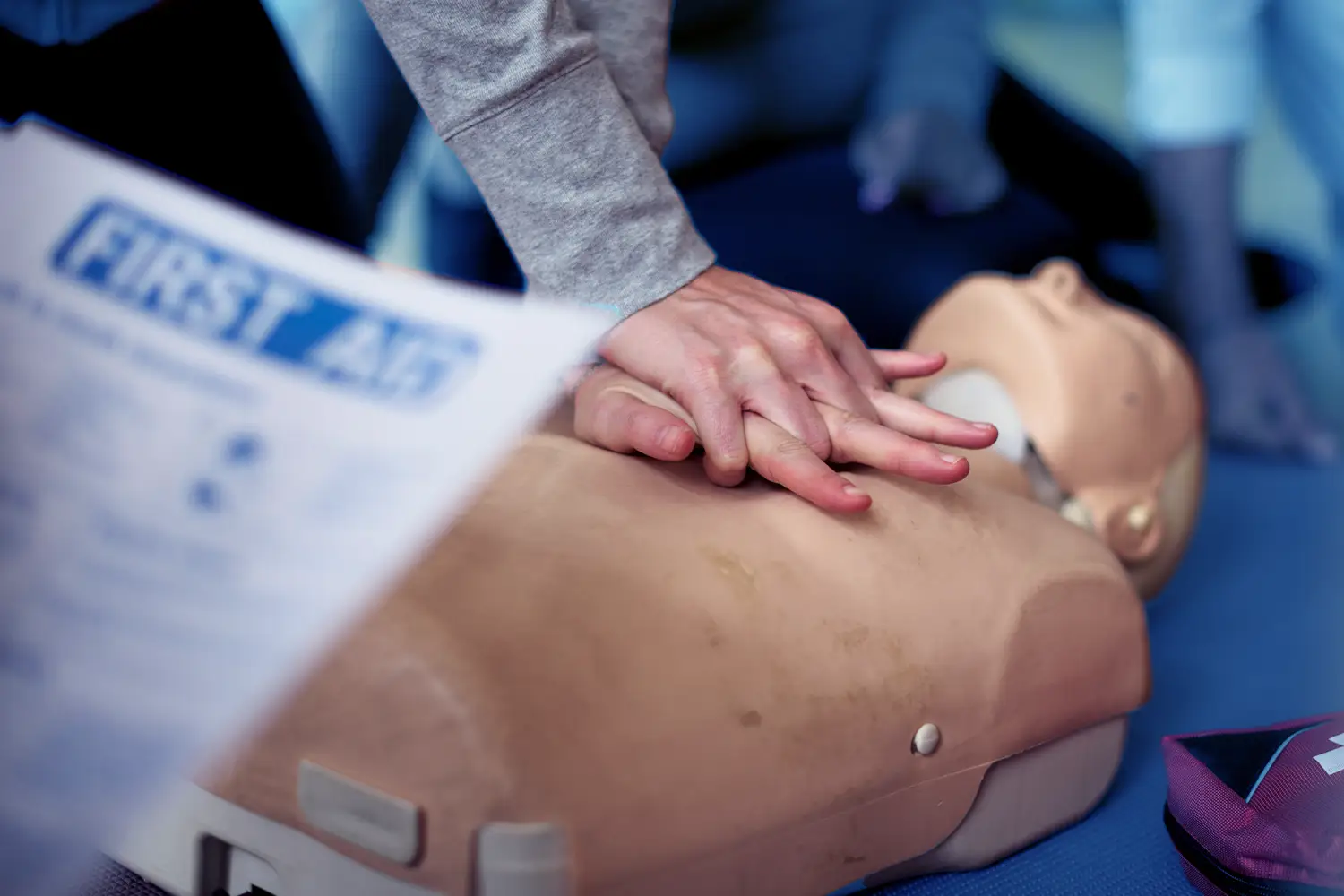
CPR Steps: Your Guide to Saving Lives
Translation: Learn the steps of CPR in a simple way that helps you save the life of someone experiencing sudden cardiac arrest or breathing failure. Discover how to become the first responder in a critical moment.
Healthcare Quality and Patient Safety: A Comprehensive Guide to Improving Medical Services
Learn about the importance of healthcare quality and patient safety within medical facilities. Discover best practices, safety standards, and how to ensure the delivery of safe and reliable medical care for all patients.
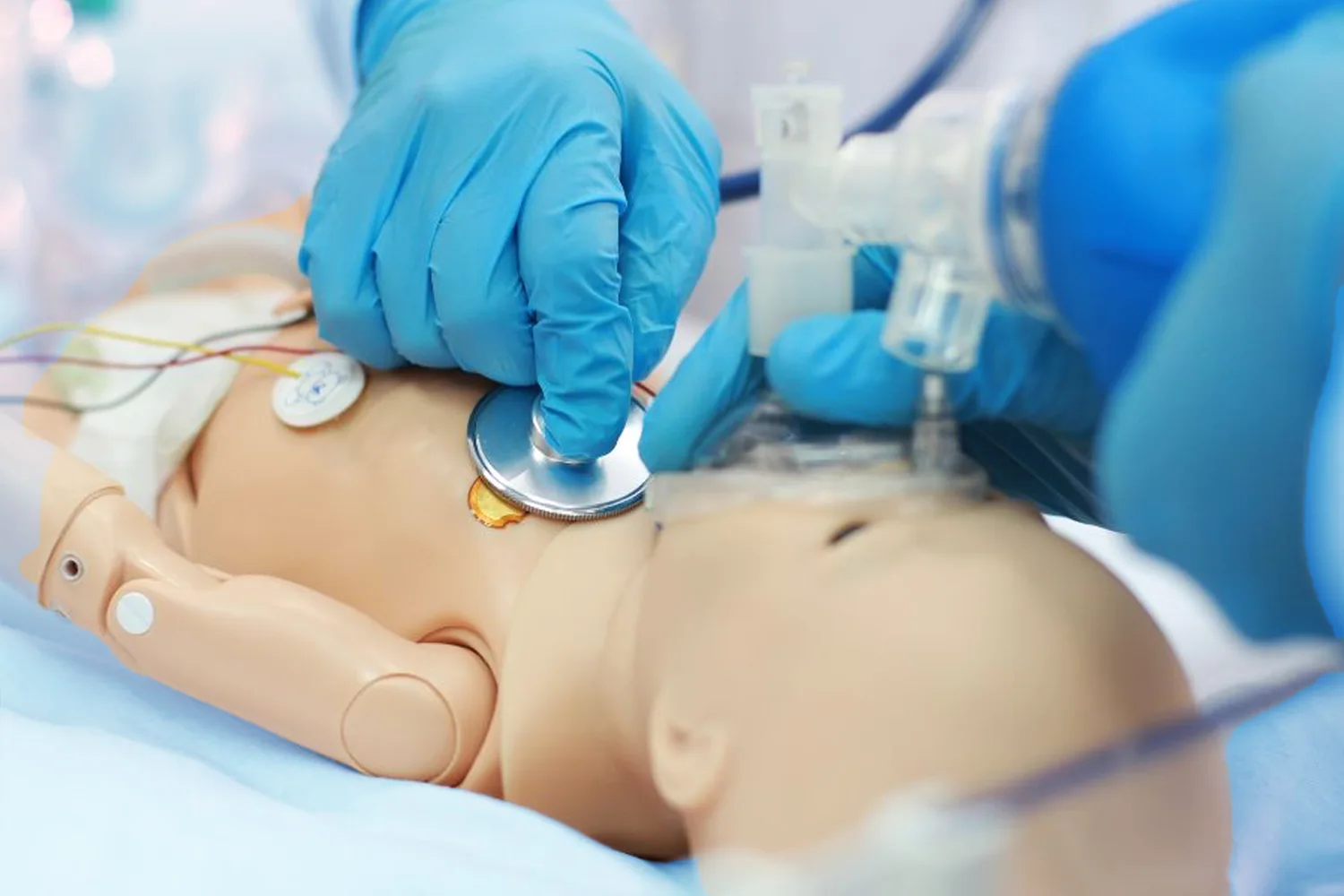
Pediatric Cardiopulmonary Resuscitation: A Comprehensive Guide
Learn the steps of pediatric cardiopulmonary resuscitation (CPR) and how to respond to breathing or pulse cessation during critical moments. A simplified guide that explains the most important first aid techniques to save children’s lives quickly and safely.